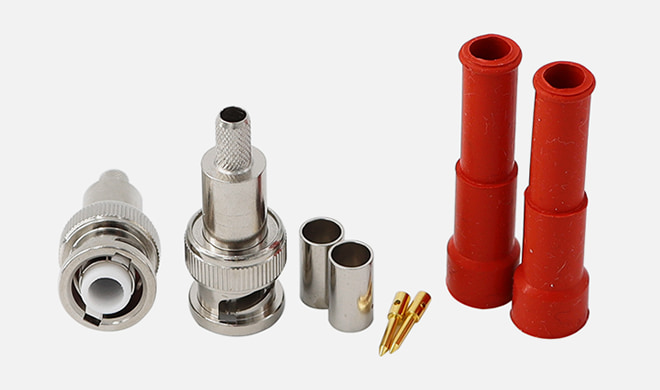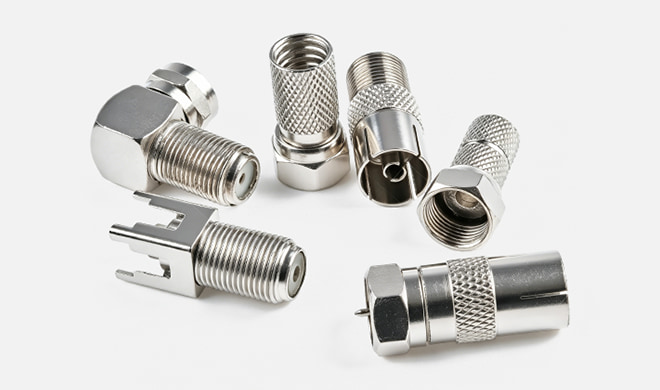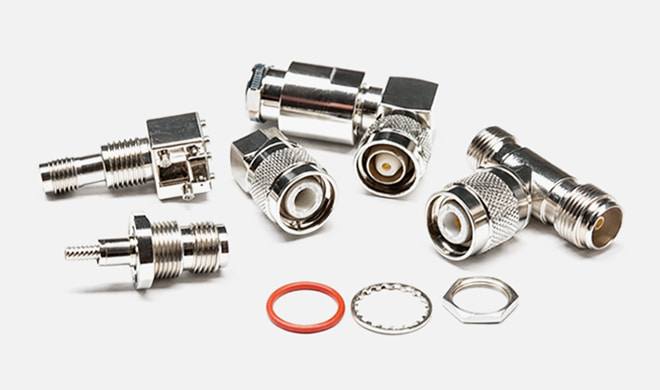
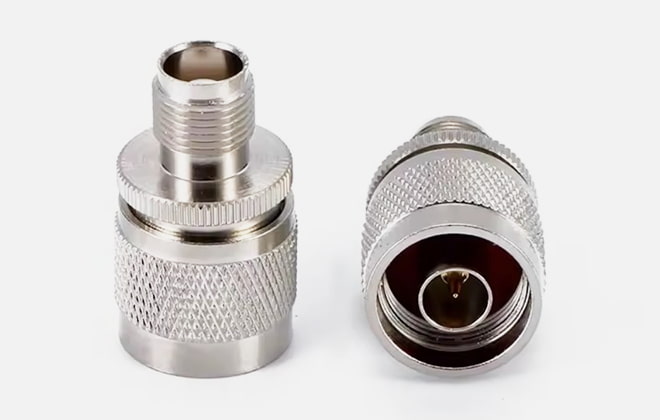
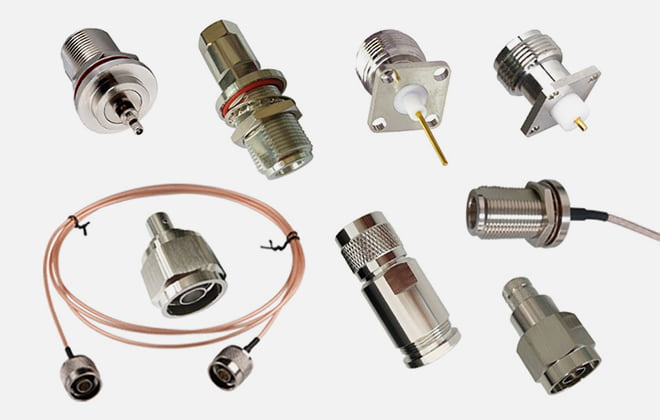
The N-Type connector is a threaded 50Ω RF coaxial connector featuring waterproof performance, high power capacity, and high-frequency transmission. It provides reliable connection, strong shielding, and excellent vibration resistance, and is widely used in base stations, antennas, RF power amplifiers, and test instruments. Compared with SMA connectors, it has higher power handling and greater durability, enabling stable operation in both indoor equipment and harsh outdoor environments.
1.Electrical Performance of N-Type Connector
1.Operating Frequency Rangeof N-TypeConnector
Standard N-Type connectors operate from DC to 18 GHz, while high-precision versions can reach DC to 26.5 GHz. The frequency range depends on internal structure, dielectric materials, and machining accuracy. It fully meets the requirements of 4G/5G communications, RF testing, and industrial RF applications, delivering stable and low-loss signal transmission even at high frequencies.
2.Typical VSWR Ratings of N-Type Connector
Within the DC–18 GHz band, typical VSWR values of N-Type connectors are 1.15, 1.20, and 1.25. High-quality products can achieve below 1.15, mid-range products around 1.20, and general industrial grades no more than 1.25. Lower VSWR means less signal reflection and higher transmission efficiency, which is critical for high-performance RF links.
3.Insertion Loss and Return Loss of N-Type Connector
The insertion loss of N-Type connectors is usually between 0.1 dB and 0.3 dB, with extremely low signal attenuation. Return loss is generally above 20 dB, and high-performance models exceed 26 dB. Loss performance is determined by structural design, dielectric materials, and surface plating. Excellent design ensures minimal energy loss and stable RF performance during long-term operation.
4.Impedance of N-Type Connector
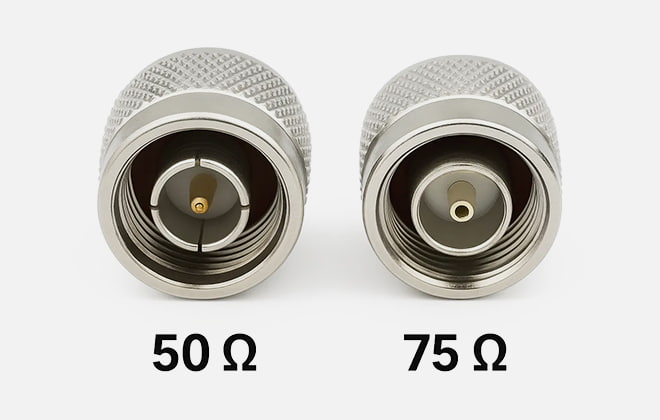
N-Type connectors adopt a unified standard impedance of 50Ω, compatible with most RF cables and devices. The 75Ω version is only used in special occasions and is rarely applied. The 50Ω design balances power capacity, transmission efficiency, and versatility, and can be directly mated with SMA, TNC, and other connectors of the same impedance.
5.Power Capacity of N-Type Connector
N-Type connectors feature excellent power handling capability, with average power reaching hundreds to kilowatt levels and even higher peak power. Power performance is stronger at low frequencies and decreases slightly with increasing frequency. With outstanding high-power characteristics, they are widely used in high-power RF systems such as power amplifiers, transmitters, and base station antennas.
6.Lsolation and Shielding Performance of N-Type Connector
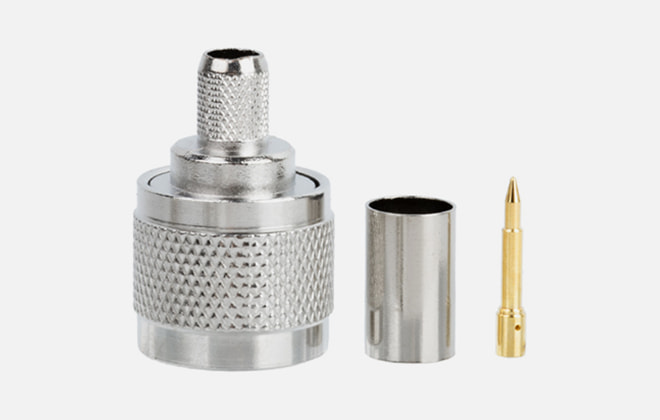
N-Type connectors adopt an all-metal housing and threaded locking structure, providing excellent shielding effect that effectively suppresses external interference and internal signal leakage. They maintain high isolation at high frequencies to reduce signal crosstalk, ensuring pure and stable signal transmission even in industrial environments and densely installed equipment scenarios.
7.Phase Stability and Amplitude Consistency of N-Type Connector
N-Type connectors offer excellent phase stability with minimal phase drift under repeated mating and environmental changes. They feature high amplitude consistency and small batch differences. The robust structure and stable dielectric make them ideal for precision test systems and phased array equipment, supporting large-scale deployment and replacement without significant performance degradation.
2.Mechanical Structure and Installation of N-Type Connector
1.Connection Methods of N-Type Connector
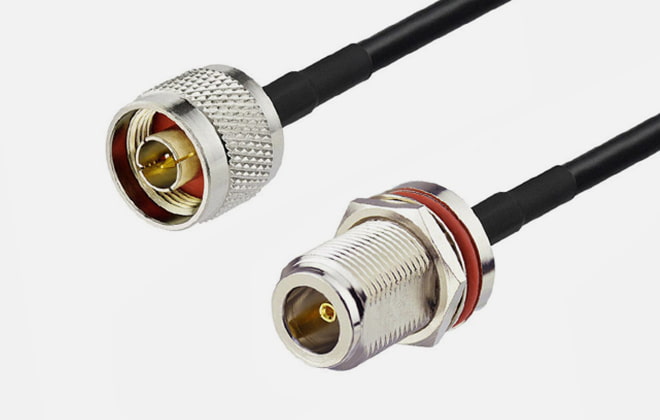
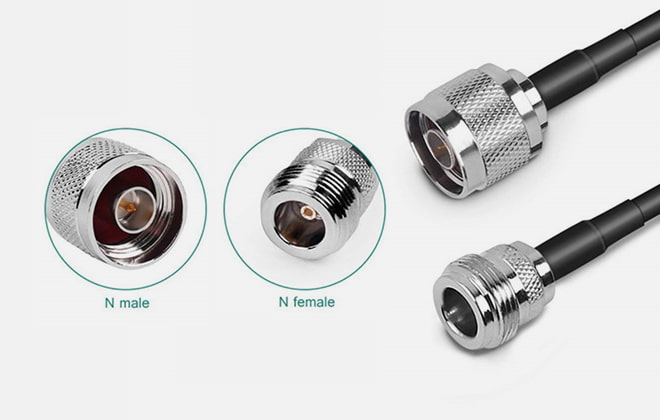
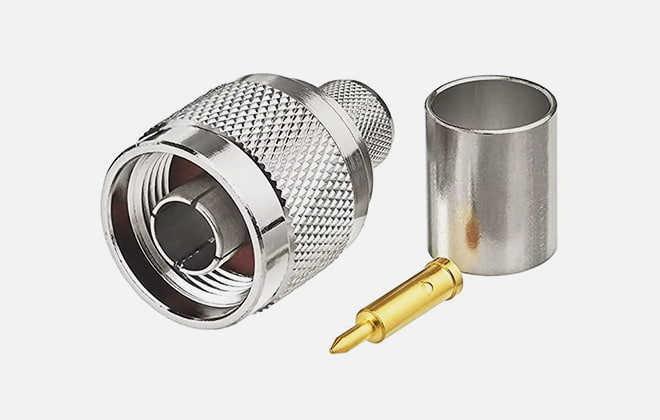
N-Type connectors are available in male and female versions, with configurations including straight, right-angle, bulkhead, and flange mount types. Straight connectors are suitable for linear wiring; right-angle connectors fit narrow spaces; bulkhead connectors enable through-chassis connection; flange connectors facilitate panel mounting. The threaded structure ensures secure connection and good vibration resistance.
2. How to terminate/crimp N-Type connector? / How to solder N-Type connector?
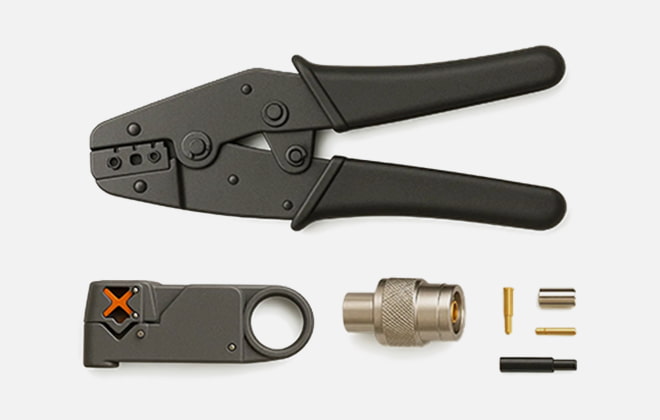
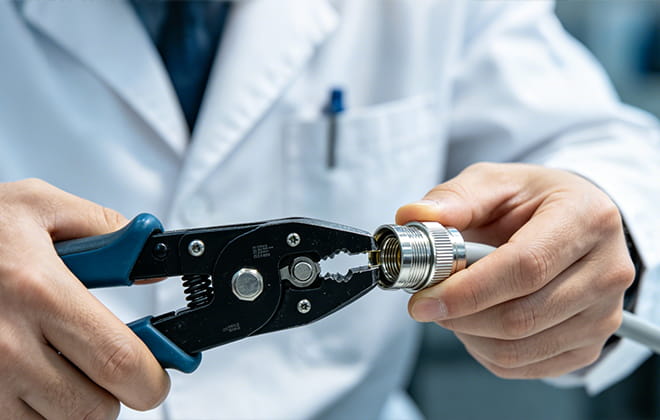
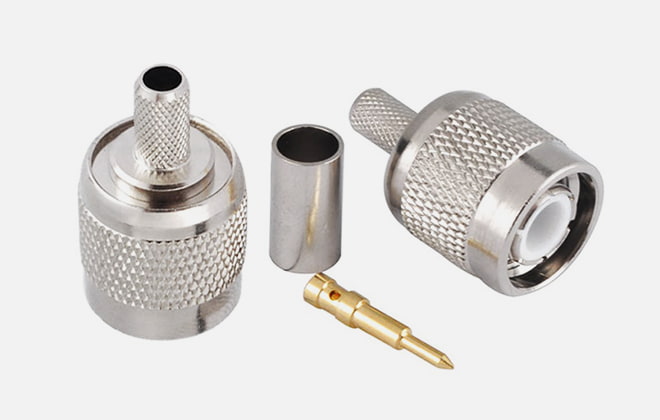
Crimping, soldering, and PCB mounting are the three main termination methods for N-Type connectors. Crimp types use a special crimping tool to tightly fasten the connector to the cable outer conductor, enabling fast operation and high connection strength, ideal for mass production and on-site construction. Solder types require soldering the inner conductor to the cable core and the outer conductor to the shielding layer, providing stable and reliable connection with good conductivity but demanding high soldering skills. PCB mount types can be directly soldered to PCBs for internal module integration. Whichever method is used, standard cable stripping length, reliable contact, and no cold joints or looseness must be ensured to avoid affecting VSWR, loss, and reliability. Strict process operation improves product service life.
3.Compatible Cable Specifications of N-Type Connector
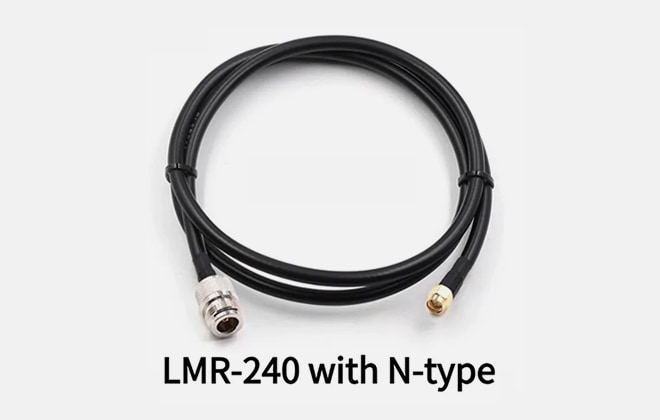
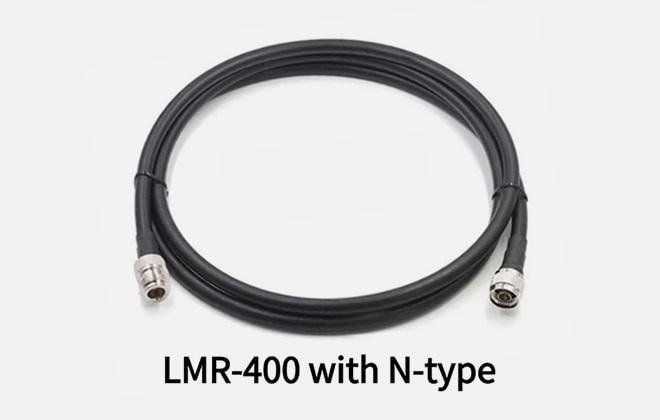
N-Type connectors can match various coaxial cables such as RG8, RG11, RG213, LMR400, as well as flexible and semi-rigid cables. Different cable diameters correspond to different connector bodies. During selection, cable outer diameter, impedance, and shielding structure must be matched to ensure ideal VSWR, power capacity, and waterproof performance.
4.ThreadSpecification and Tightening Torque Requirements of N-Type Connector
N-Type connectors use standard L16 threads with strong universality. The recommended tightening torque is 0.8–1.5 N·m. Insufficient torque may cause poor contact and water ingress; excessive torque will damage threads and dielectrics. Using a torque wrench ensures installation consistency and improves connection reliability and service life.
5.Overall Dimensions, Mounting Hole Spacing, and Flange Dimensions of N-Type Connector
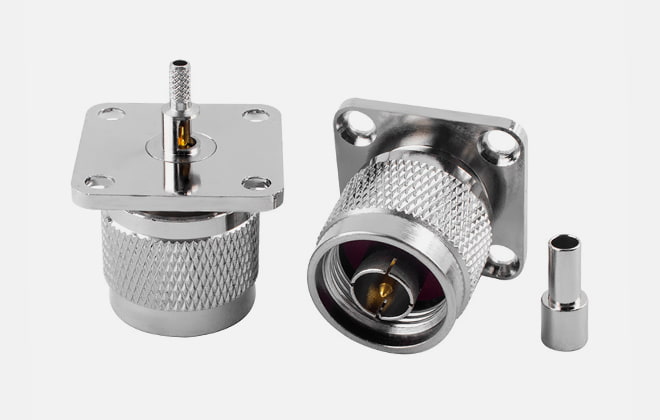
As a medium-sized RF connector, the N-Type comes with standard square or circular flanges with unified mounting hole spacing, allowing direct replacement. Bulkhead thread length and flange thickness comply with industry standards and fit standard chassis openings. Straight and right-angle versions differ only in length while sharing identical interface dimensions.
6.Mating Cycles and Mechanical Life of N-Type Connector
High-quality N-Type connectors can withstand more than 500 matings, and high-end models can reach 1000 cycles with stable electrical performance. Service life depends on plating wear resistance and structural strength. For frequent mating scenarios, gold-plated or thick-plated products are recommended to maintain low VSWR and reliable contact.
3.Environmental Reliability of N-Type Connector

1.Waterproof Rating of N-Type Connector
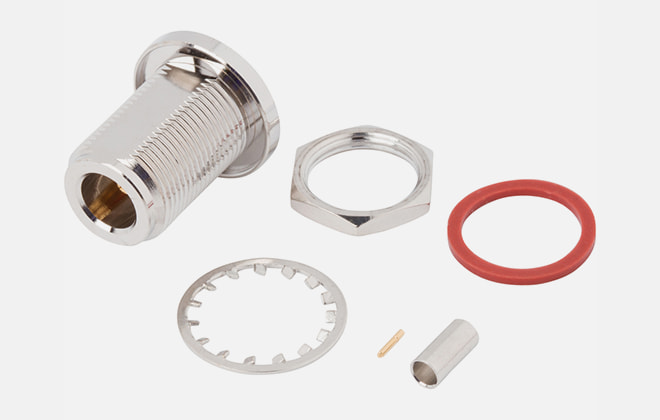
Waterproof-designed N-Type connectors can achieve IP67 or even IP68 protection through sealing gaskets and structural sealing, being dustproof, rainproof, moisture-proof, and capable of temporary water immersion, making them suitable for outdoor base stations and antennas. Waterproof design prevents moisture and dust intrusion, avoiding internal corrosion and short circuits.
2.Operating Temperature Range of N-Type Connector
The standard operating temperature range is -55°C to +125°C, with high-reliability models supporting a wider range. They do not crack at low temperatures or deform at high temperatures. Stable dielectric and metal materials enable application in harsh outdoor environments, industrial sites, and vehicle-mounted and airborne equipment with drastic temperature changes.
3.Vibration and Shock Resistance of N-Type Connector
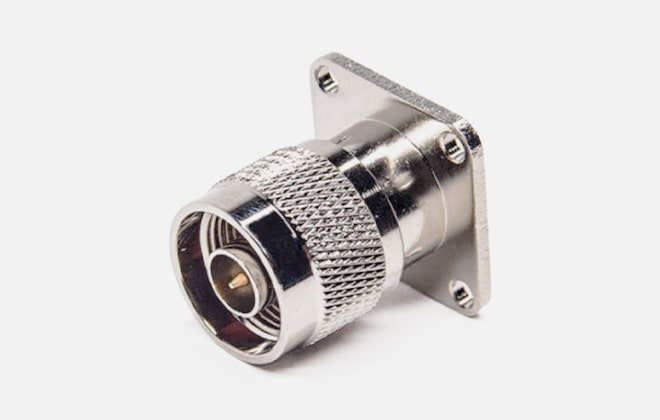
With threaded connection and rugged metal housing, N-Type connectors perform excellently under vibration and shock, suitable for vehicle, base station, and engineering machinery applications. Connections remain tight and inner conductor contact stable under continuous vibration, ensuring uninterrupted electrical performance in harsh working conditions.
4.Salt Spray Test Duration of N-Type Connector
Standard products can pass a 48-hour salt spray test, and highly corrosion-resistant models exceed 96 hours. Corrosion resistance mainly relies on surface platings such as gold plating and ternary alloy, which significantly improve durability for coastal, high-humidity, and chemical environments.
5.Aging Resistance and UV Resistance of N-Type Connector
For outdoor scenarios, cables with PE, TPU, or LSZH jackets such as LMR series and RG213 are recommended. These materials are UV-resistant, temperature-resistant, and resistant to aging and cracking. Paired with waterproof N-Type connectors, they can be used outdoors long-term while maintaining stable structural and electrical performance.
6.Air Tightness and Moisture Resistance of N-Type Connector
Waterproof N-Type connectors feature excellent air tightness, blocking moisture and preventing internal oxidation and leakage. They remain dry and stable in high-humidity, coastal, and open-air environments. Non-waterproof models require sealant or waterproof tape for enhanced moisture protection.
4. Materials and Plating of N-Type Connector
1. How to make N-Type connector?
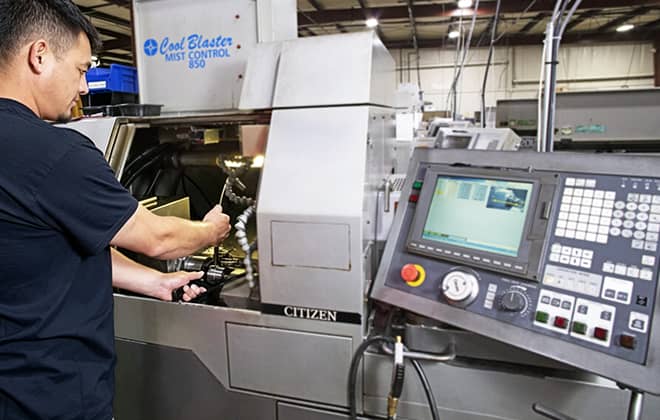
The manufacturing process of N-Type connectors is strict and precise. First, metal components such as inner and outer conductors are processed by CNC turning to ensure dimensional accuracy and surface finish; insulating dielectrics are molded or injected using PTFE. Then, metal parts undergo surface treatments such as nickel plating and gold plating to improve conductivity and corrosion resistance. Assembly follows, combining inner conductor, dielectric, and outer conductor into a complete structure, with crimp or solder areas prepared according to termination type. Finished products must pass multiple tests including VSWR, insertion loss, voltage withstand, air tightness, and mechanical strength before warehousing, ensuring stable and consistent performance throughout production.
2.Inner Conductor Material of N-Type Connector
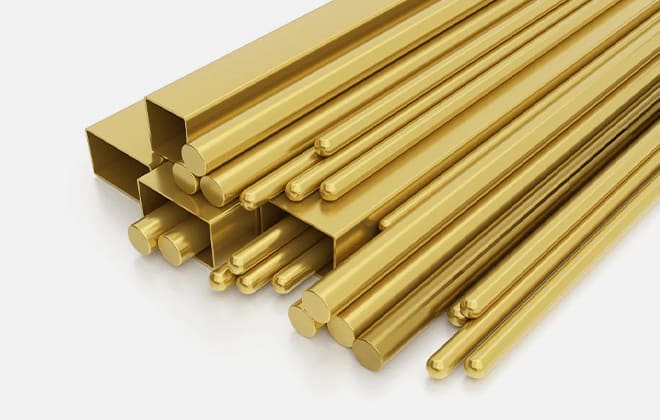
Common inner conductor materials include brass, phosphor bronze, and beryllium copper. Beryllium copper offers the best elasticity and conductivity with long-term reliable contact, suitable for high-end applications; phosphor bronze provides balanced overall performance for general use; brass is low-cost for conventional industrial scenarios. Most high-end connectors use beryllium copper.
3.Outer Conductor Material of N-Type Connector
Outer conductors are usually made of brass or copper alloy, featuring high strength, good conductivity, and easy processing, while ensuring excellent shielding and structural support. Stainless steel or special alloys can be used in highly corrosive environments at higher costs. Brass achieves the best balance between performance and cost, making it the mainstream choice.
4.Surface Plating of N-Type Connector
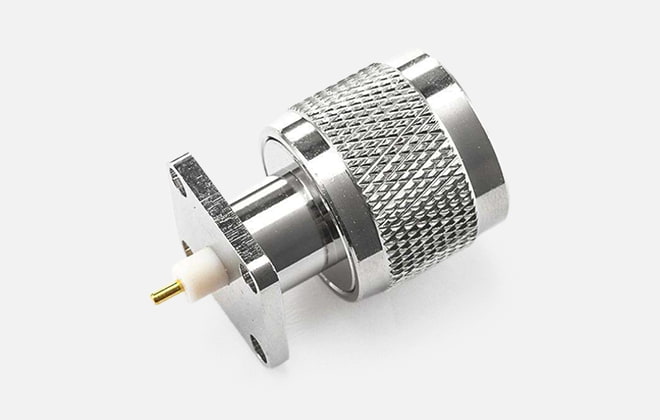
Common platings include gold plating, silver plating, nickel underplated gold, and ternary alloy. Gold plating is corrosion-resistant with low contact resistance, suitable for high-frequency and harsh environments; silver plating has good conductivity but is prone to oxidation; ternary alloy balances cost and corrosion resistance well and is widely used.
5.Insulation Dielectric of N-Type Connector
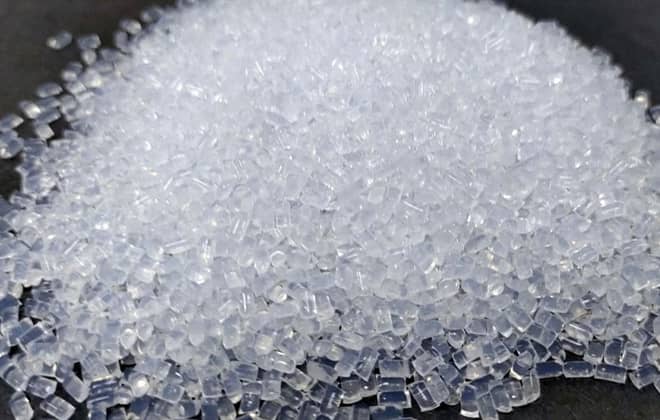
Most N-Type connectors use PTFE (Teflon) as the dielectric, which features stable dielectric constant, low loss, high temperature resistance, and anti-aging properties, making it an ideal material for high-frequency RF applications. Some low-cost products use engineering plastics, but their high-frequency and temperature stability are far inferior to PTFE.
6.Eco-friendly Materialsof N-Type Connector
N-Type connectors comply with international environmental regulations such as RoHS and REACH, restricting the use of hazardous substances including lead, cadmium, mercury, and hexavalent chromium. Formal manufacturers adopt eco-friendly materials and electroplating processes to ensure products meet environmental requirements of the EU and global markets for smooth customs clearance and sales. Environmentally compliant connectors are non-toxic and harmless, suitable for various electronic devices without harming the environment or human health.
5.Application Scenario Matching of N-Type Connector
1.Equipment Matching for N-Type Connector
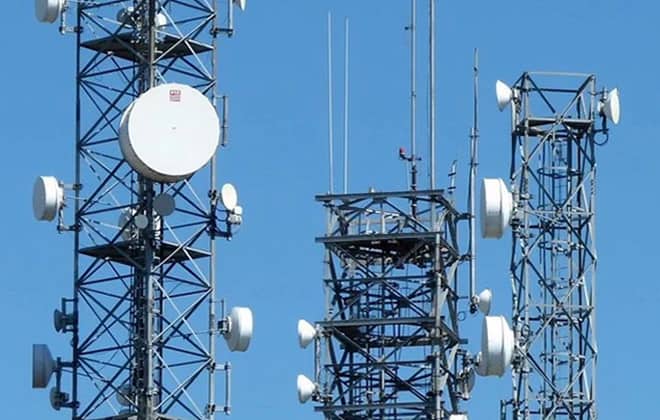
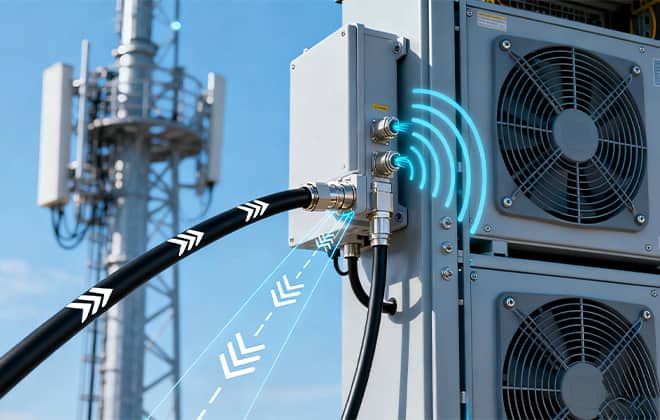
N-Type connectors are widely used in communication base stations, RF power amplifiers, antennas, test instruments, radar systems, IoT gateways, and broadcasting equipment. With high power capacity and strong reliability, they are the preferred interface for infrastructure and industrial equipment requiring stable signal transmission and high environmental adaptability.
2.N-Type Connector for High-Frequency / High-Power Scenarios
N-Type connectors are highly suitable for medium-to-high frequency and high-power RF scenarios. They support much higher power than SMA and frequencies up to 18 GHz and above, meeting the requirements of 5G base stations, RF transmitters, and test equipment. However, in the millimeter-wave band, they are replaced by smaller dedicated connectors due to their relatively large size.
3.Differences and Substitution Between N-Type Connector and Other Interfaces
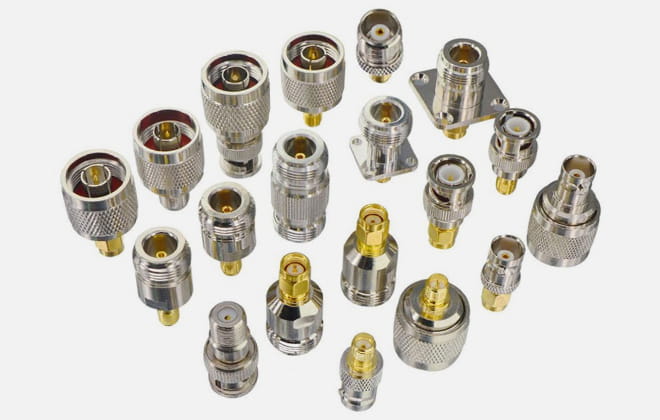
SMA is smaller in size and higher in frequency; TNC is compact but lower in power; N-Type has advantages in power and durability; 7/16 DIN supports ultra-high power and is mostly used in top-level base station links. They cannot be directly interchanged due to size differences but can be connected via adapters. Selection is based on power, frequency, and installation space.
4.Indoor vs. Outdoor Usage Recommendations for N-Type Connector
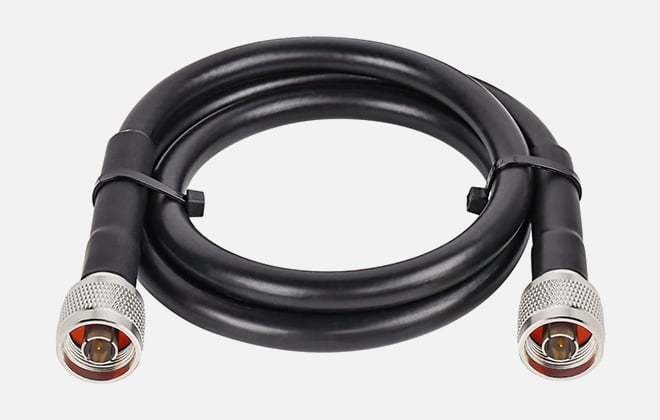
Standard versions can be used indoors to balance cost and performance; waterproof versions must be used outdoors with weather-resistant cables and proper sealing. For long-term outdoor use, corrosion-resistant plating is recommended to resist rain, sand, and salt spray, significantly extending service life.
5.Typical Applications of N-Type Connector
N-Type connectors are extensively applied in 4G/5G infrastructure, RF test instruments, and industrial RF control systems. Their frequency, power, and reliability fully meet industrial and communication requirements, and as a mature and stable solution, they have become a mainstream choice in modern RF systems.
6.Quality and Certification of N-Type Connector
1.Compliance with International Standards
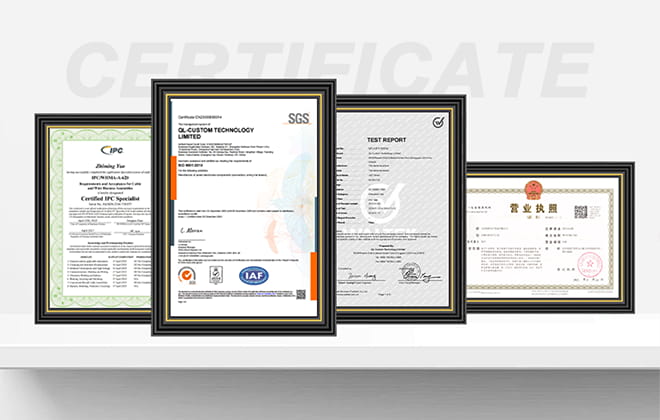
Formal N-Type connectors are designed and manufactured in accordance with international standards such as IEC and MIL-C-39012. Interface dimensions, electrical performance, and reliability are unified, allowing compatibility and interchangeability with international brands to meet high-demand applications in military, communication, and industrial fields.
2.Factory Quality Management of N-Type Connector
Manufacturers are certified with ISO9001 quality management system and ISO14001 environmental management system, implementing full-process control from raw material inspection, precision machining, electroplating to finished product testing, ensuring consistency, stability, and reliable delivery quality in mass production.
3.Environmental Certifications of N-Type Connector
Common environmental certifications for N-Type connectors include RoHS, REACH, and Halogen-Free, ensuring products contain no harmful substances and comply with global environmental regulations. RoHS restricts heavy metals such as lead, mercury, and cadmium; REACH regulates substances of very high concern; Halogen-Free certification reduces halogen emissions for better environmental safety. Choosing certified connectors avoids customs risks and environmental penalties while ensuring equipment safety.
4.Pre-shipment Testing Items of N-Type Connector
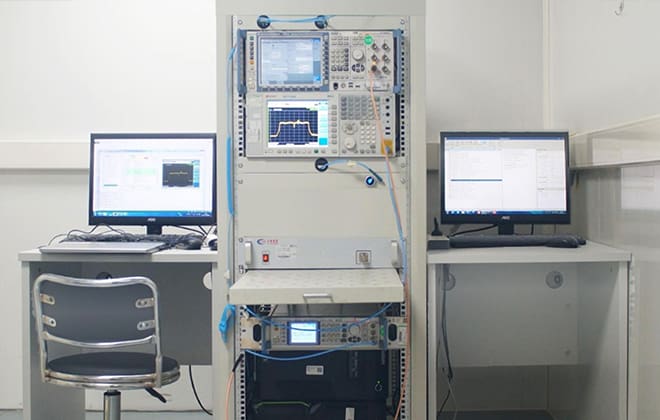
Pre-shipment tests include VSWR, insertion loss, return loss, voltage withstand, air tightness, and waterproof performance, as well as mechanical mating, salt spray, and visual inspection. Only products passing all tests can be shipped, ensuring stable performance and eliminating defective items.
5.Product Consistency and Batch Stability of N-Type Connector
Large-scale production adopts precision molds and standardized processes with high dimensional accuracy and uniform materials, resulting in minimal performance differences between batches and excellent consistency. This supports large-scale engineering deployment and mass equipment production without noticeable performance fluctuations after replacement.
7. Supply and Commercial Terms of N-Type Connector
1.Minimum Order Quantity of N-Type Connector
Sample orders start from 1–10 pieces for quick testing and evaluation. Mass production orders generally start from hundreds to thousands of pieces, with some standard stock items supporting small-batch orders. Specific MOQ is negotiable based on customer needs and project conditions.
2.Lead Time of N-Type Connector
Regular stock samples are delivered in 3–17 days, and custom samples in 1–2 weeks. Standard mass production lead time is 2–3 weeks; custom products or peak production periods may be appropriately extended, with final lead time confirmed by the production schedule in the order contract.
3.Customization Services of N-Type Connector
Customization services include special dimensions, cable assemblies, custom PCB pins, Logo printing, special platings, and enhanced waterproof structures to meet differentiated equipment design needs and adapt to dedicated RF systems and various installation environments.
4.Packaging and Transportation Stability
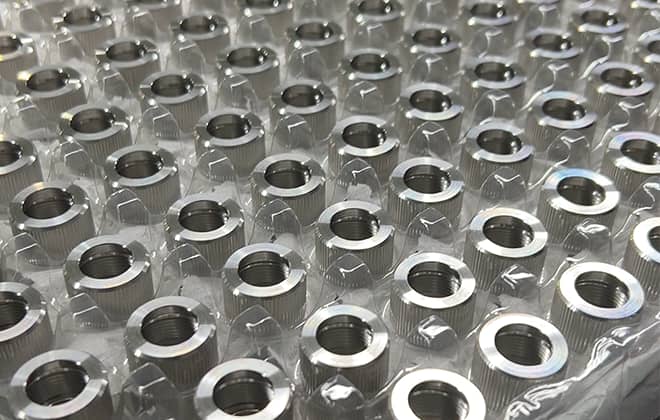
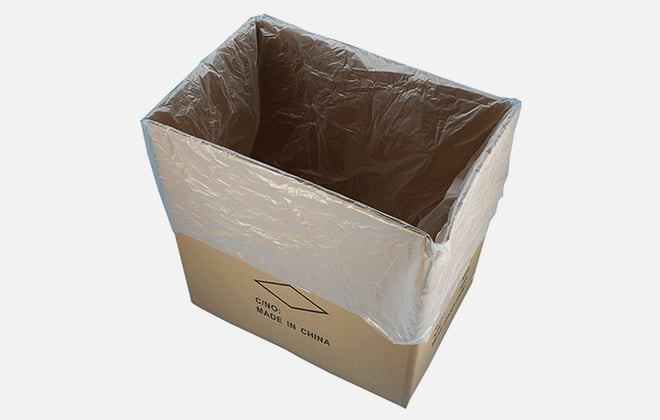
Productsare packaged in blister boxes, PE bags, and paper boxes in tiers, with reinforced outer cartons and cushioning materials to prevent collision, abrasion, and deformation during transportation, ensuring intact delivery.
5.Tiered Pricing for Bulk Orders
N-Type connectors generally adopt tiered pricing: the larger the order quantity, the lower the unit price. Long-term cooperative orders can enjoy preferential prices and credit terms. Customers can contact the sales team for detailed quotations and exclusive pricing plans based on order volume.
8.Selection and Substitution of N-Type Connector
1.Selection Among N-Type, SMA, TNC, and F-Type Connectors
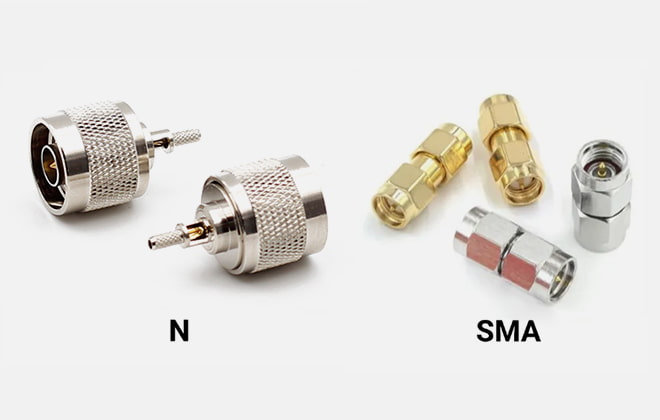
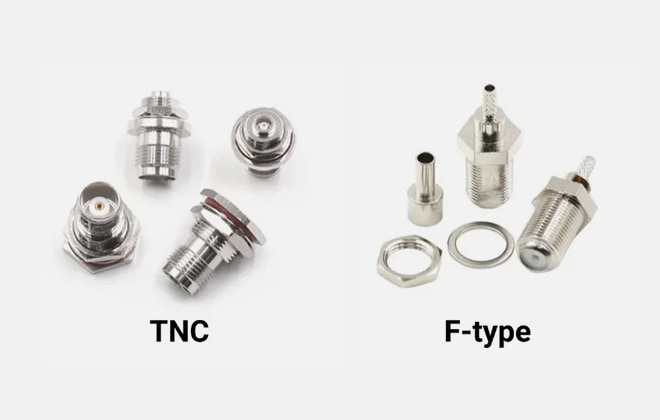
Choose SMA for limited space and high frequency; TNC for general compact connection; N-Type for high power and harsh environments; F-Type mainly for video transmission systems. The final choice is determined by power demand, installation space, operating frequency, and application environment.
2.Usage of N-Type Connector in High-Power Scenarios
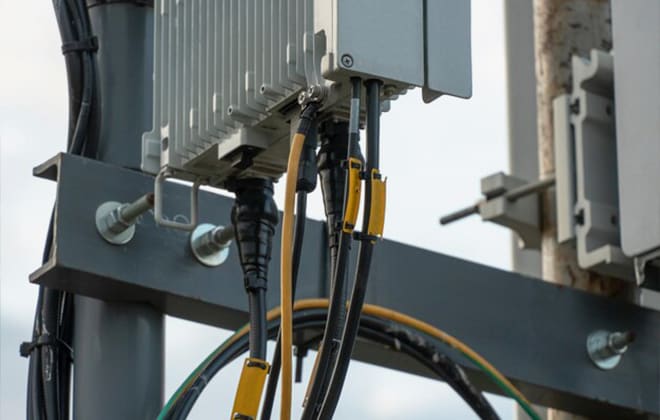
N-Type is highly recommended for medium-to-high power scenarios due to its much higher power capacity than SMA. 7/16 DIN is more suitable for ultra-high power links such as base station transmitters. N-Type remains one of the optimal choices for medium-to-high power RF systems.
3. Substitution of N-Type Connector for 7/16 DIN Connector:
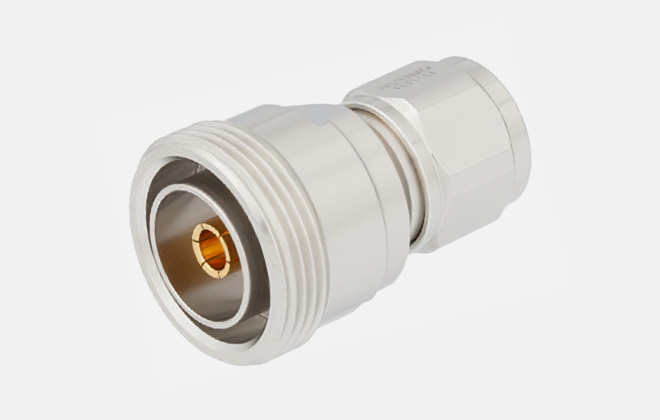
Direct substitution is not possible due to differences in size and power rating. 7/16 DIN has higher power and a heavier structure, used in ultra-high power sections; N-Type is more compact for medium-power scenarios. Adapters can be used to connect the two interfaces during system transition.
4. Compatibilityand Interchangeability Among Different Brands:
Standard-compliant N-Type connectors from different brands are mechanically dimensionally compatible and interchangeable. However, quality differences affect VSWR, durability, and contact stability. To ensure optimal system performance, products of similar quality are recommended for matching applications.
5.Methods to Avoid Inferior Counterfeits Causing Signal Degradation
Choose formal manufacturers, verify certifications and test reports, inspect material and plating quality, and test samples for VSWR and loss. Avoid ultra-low-price products without quality assurance. Strict source control prevents inferior connectors from impairing system performance.
9.Operation and Installation Issues of N-Type Connector

1.Precautions for Installation and Soldering of N-Type Connector
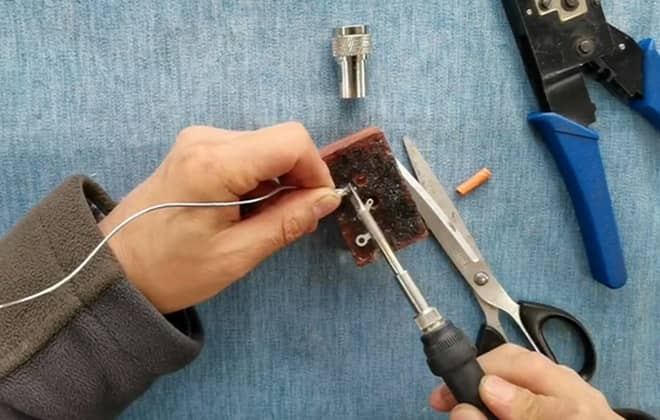
During installation, standard cable stripping is required to ensure proper inner conductor length and clean shielding layer to avoid short circuits. Soldering should be performed at appropriate temperatures without cold joints, insufficient soldering, or excess solder, ensuring good contact between inner conductor and cable core. Crimp types require special tools for firm and non-loose crimping. Tightening torque should be moderate, neither too loose nor too tight. Avoid excessive bending and pulling of cables and protect interfaces from external impact. Keep interfaces clean free of oil and dust, and check the integrity of sealing gaskets before installation to ensure reliable connection and improve signal stability and service life.
2.Methods to Reduce VSWR of N-Type Connector
Use qualified connectors, perform soldering and crimping according to standard processes, ensure perfect matching between cables and connectors, avoid stress distortion, keep interfaces clean and free of impurities, and tighten with specified torque. These measures effectively reduce VSWR and improve transmission efficiency.
3. Correct Usage of Waterproof Connectors
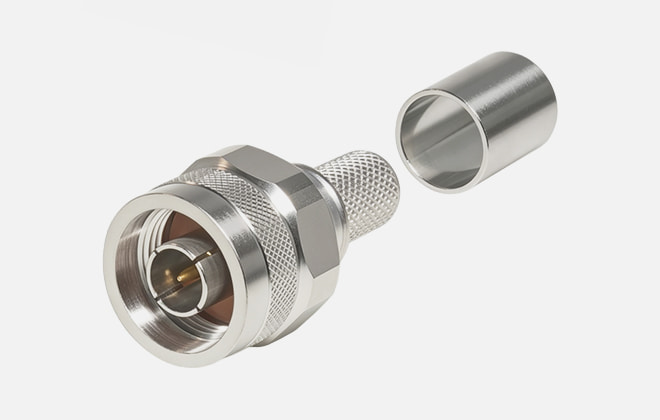
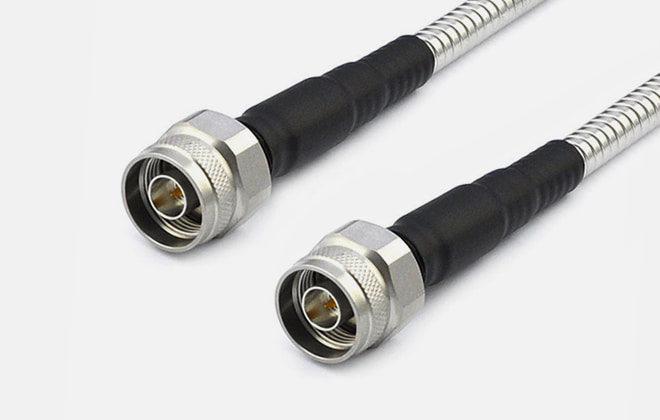
Ensure sealing gaskets are intact and properly installed, with complete sealing at the cable end. Waterproof sealant can be applied to threaded interfaces, and outdoor connections wrapped with waterproof tape. This provides all-round protection against moisture intrusion for long-term reliable operation in outdoor and harsh environments.
4.Common Failures of N-Type Connector
Common failures include poor contact, increased VSWR, cold joints, damaged sealing gaskets causing water leakage, plating corrosion, and thread wear. Most problems result from improper installation, harsh environments, frequent mating, or poor product quality. Standardized operation significantly reduces failure rates.
5. Testing and Acceptance Methods of N-TypeConnector
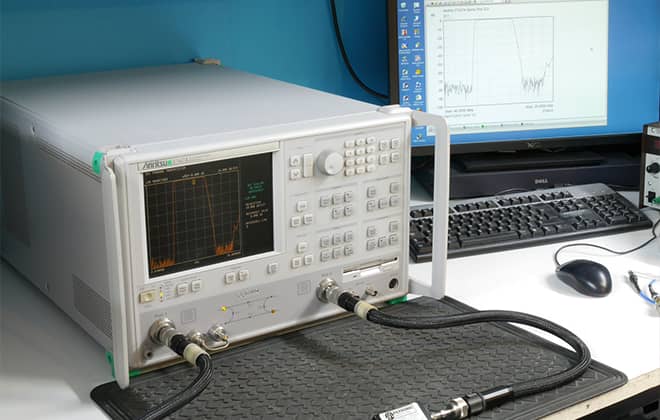
Use a network analyzer to test VSWR and insertion loss, check air tightness and waterproof performance, and verify appearance, soldering quality, plating condition, dimensional consistency, and certification documents. Only products meeting all standards can be accepted and put into use.
Who is the best supplier of N-Type connector?
QL-Custom is a reliable and professional supplier in the field of N-Type connectors and RF cable assemblies. With years of experience in manufacturing RF connection products, the company strictly follows international standards such as IEC and MIL, and has a complete ISO quality management system. It implements full-process control from raw material management, precision machining to finished product testing, ensuring stable performance of N-Type connectors with low VSWR, low loss, and high reliability. It also supports OEM/ODM customization, providing differentiated solutions such as waterproof versions, special platings, and cable assemblies according to customer needs. Combining quality advantages and high cost performance, its products are exported to Europe, the United States, and other overseas markets with fast response and stable delivery, making it the preferred partner for industrial communication, base station antennas, test equipment, and other scenarios.
If you need RF connectors such as N-Type, please contact sales07@QL-Custom.com.