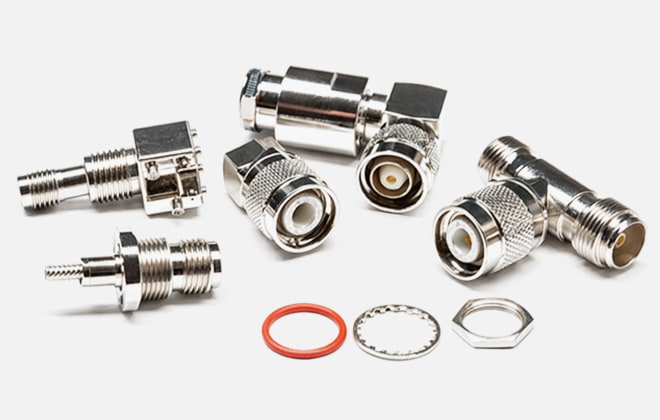
What is a TNC connector?
TNC connector (full name Threaded Neill–Concelman) is a common threaded RF coaxial connector, which can be seen as an upgraded version of BNC. Its standard impedance is 50Ω, working frequency can reach 11GHz, and some high-end models support higher frequency. It uses the standard 7/16″-28 thread. Compared with the bayonet BNC, it has a more stable connection, better anti-vibration and anti-shock performance, and good shielding effect. Some models can reach IP67 waterproof rating. It is widely used in communication base stations, antennas, vehicle equipment, test instruments and industrial RF systems, performing very well in scenes that need stable transmission and outdoor use.
1. Basic Characteristics and Applications of TNC Connector
1. Main application areas of TNC Connector

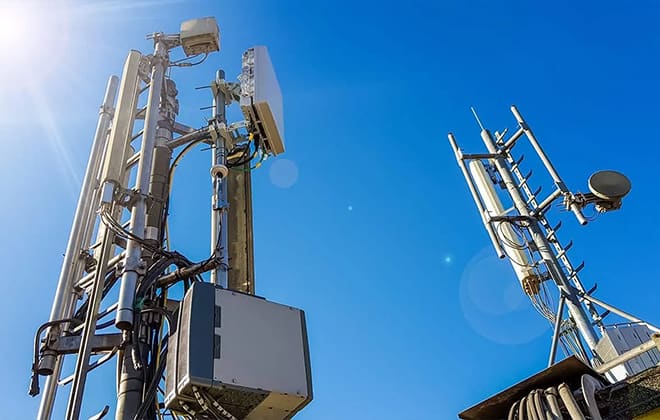
TNC connector has a wide range of applications, such as walkie-talkies, base stations, antennas and test equipment. It is also used in industrial control and vehicle electronic equipment. Because of its stable performance, it is suitable for all kinds of indoor and outdoor signal transmission equipment.
2. Male, female and polarity of TNC Connector
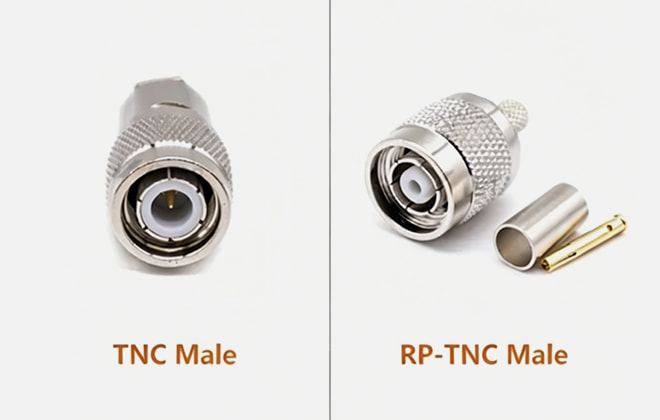
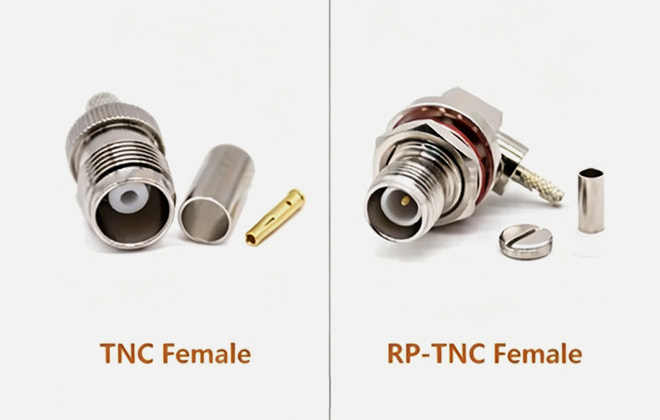
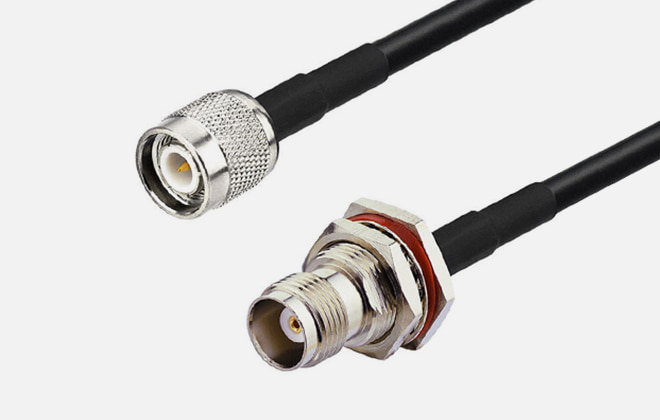
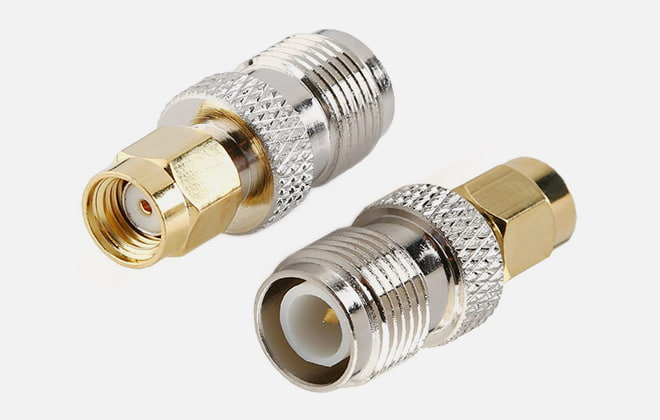
TNC connectors have male and female types. Male has a pin inside and female has a hole inside. Polarity is also very important. Reverse-polarity TNC is often used in some wireless equipment. You must check the structure carefully before buying, otherwise it cannot connect with cables or equipment normally.
3. Impedance of TNC Connector
The standard impedance of TNC connector is 50 ohms, which is the most common type. There is also a 75Ω version, but it is not very popular. 50Ω TNC matches most RF cables and communication devices. Choosing the right impedance ensures low-loss and stable signal transmission.
2. Electrical Performance of TNC Connector
1. Frequency Range of TNC Connector
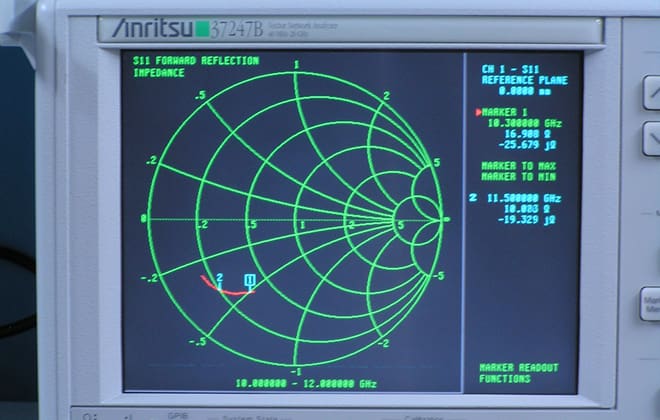
TNC connector usually works stably below 11GHz, high-quality models can support higher frequency. Its frequency performance is better than BNC connector. For daily communication and small wireless systems, TNC can fully meet normal use needs.
2.VSWR and insertion loss of TNC Connector
VSWR and insertion loss are key indicators of TNC connector. High-quality TNC has low insertion loss and stable VSWR. Low loss means less signal attenuation during transmission. These parameters are usually shown in the product specification for easy selection.
3.Rated power of TNC Connector
TNC connector can bear certain average power and peak power. Its power capacity is higher than SMA but lower than N-type. The exact power depends on materials and design. Do not exceed the rated power during use, otherwise it may damage the connector or cause safety risks.
4.Insulation and voltage resistance of TNC Connector
TNC connector has good insulation resistance and voltage resistance, which can prevent short circuit and signal interference. High-quality insulation materials make it safe to use in complex environments. These parameters are tested before products leave the factory.
5.Shielding performance of TNC Connector
TNC connector has good shielding effect and can resist external interference effectively. The closed metal structure blocks noise signals and makes transmission more stable, especially in strong interference environments. Good shielding is very important for wireless communication and industrial equipment.
3. Mechanical Structure and Connection of TNC Connector
1.Advantages of threaded connection of TNC Connector
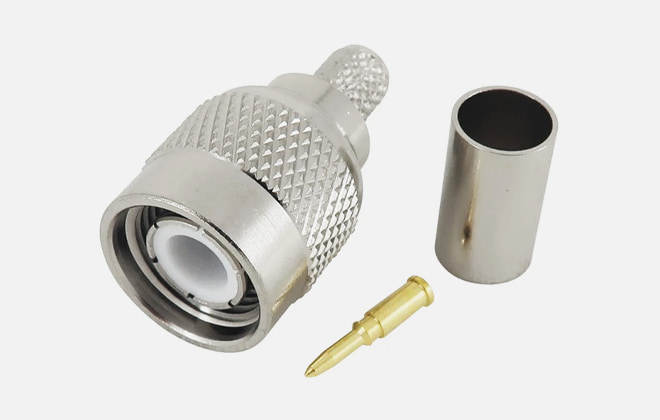
TNC uses threaded connection, which is more stable than BNC bayonet and not easy to loosen in vibration environment. This design makes it suitable for vehicles, mobile devices and other scenes. Thread structure ensures close contact and reduces signal failure in harsh environments.
2.Straight, right-angle and installation types of TNC Connector
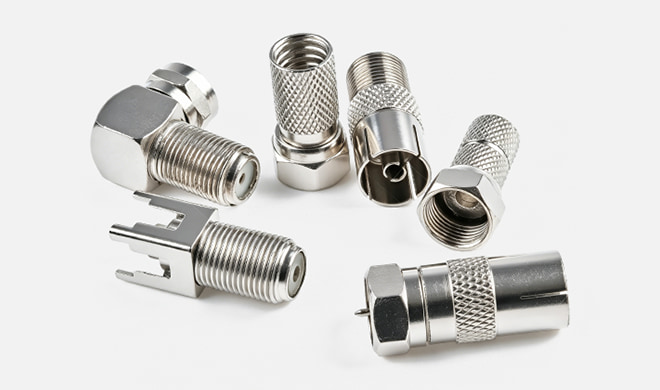
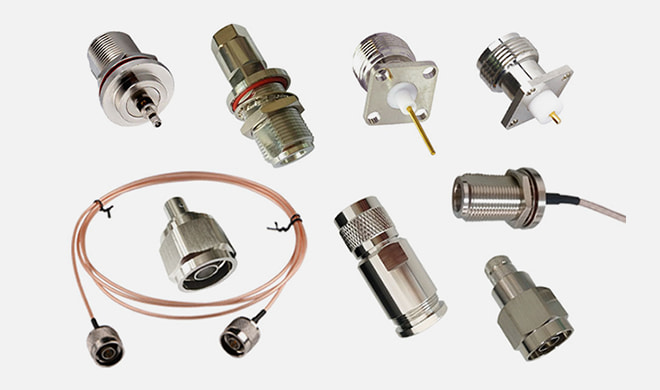
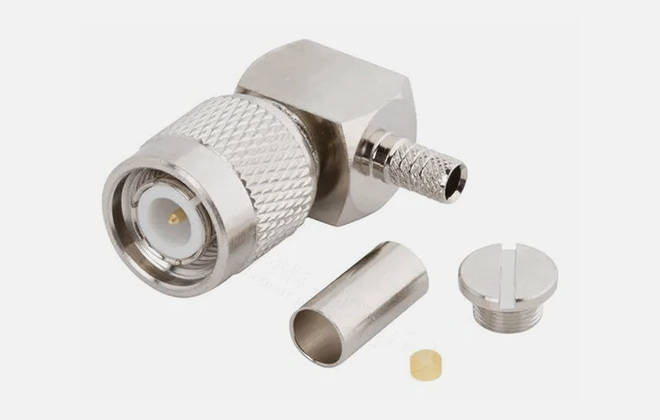
TNC has straight, right-angle, panel mount and PCB mount types. Straight type is for normal use, right-angle type saves space, panel and PCB types are used inside equipment. Users can choose suitable types according to product structure and installation space.
3.Durability and mating cycles of TNC Connector
TNC connector supports many times of insertion and removal, usually hundreds to thousands of times. High-quality products have longer life. Frequent rough operation will shorten service life. Correct use helps maintain good electrical performance for a long time.
4.Size and thread specification of TNC Connector
TNC connector uses standard thread size and its shape meets international standards. Knowing the size helps users match cables and equipment. Its moderate size makes TNC popular in many small and medium communication devices.
5.How to make TNC Connector connection tight
When using, tighten the TNC properly but not too hard. Proper torque avoids poor contact and signal loss. There will be clear resistance when fully locked. Check regularly in vibration environment to keep connection stable.
4. Termination and Production Technology of TNC Connector
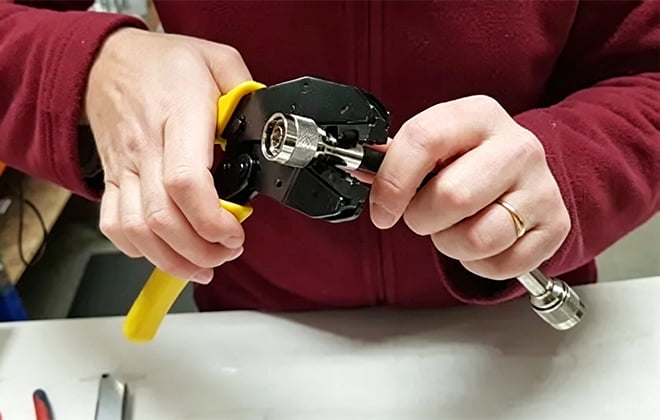
1.How to crimp TNC connector?
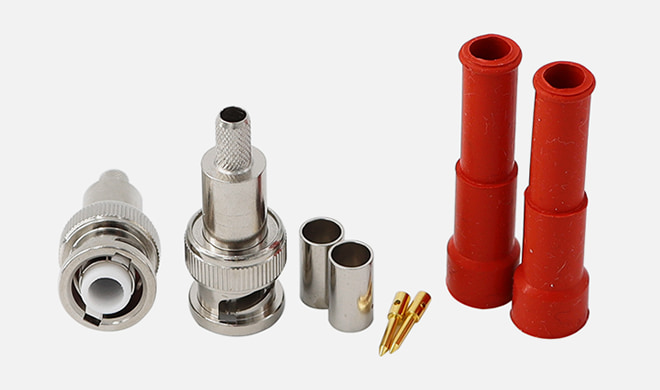
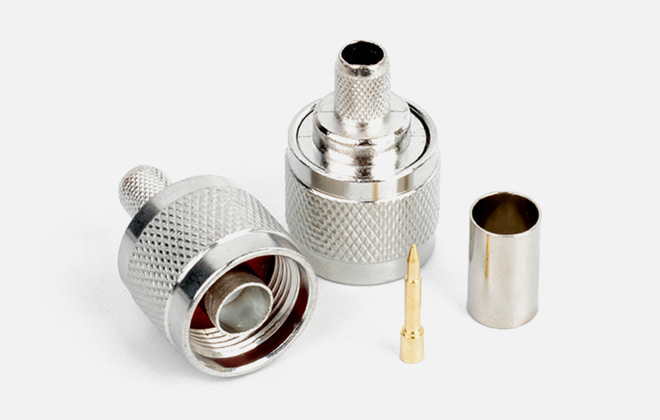
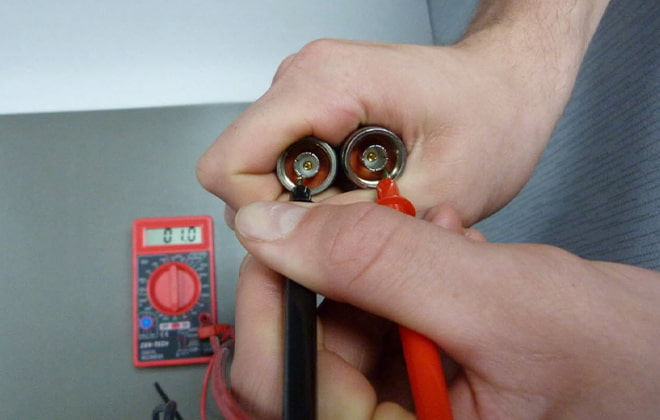
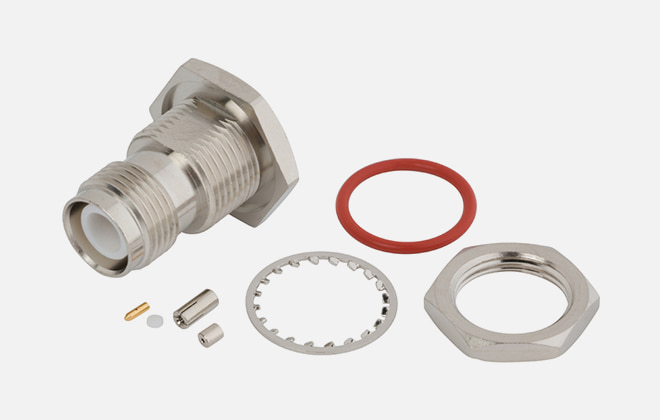
Crimping TNC connector is one of the most common and reliable methods in RF cable assembly. First, strip the cable according to its specification, remove outer jacket, shielding braid and insulation layer to expose proper length of inner conductor. Then put back shell, crimp ring and other parts onto the cable in order, insert inner conductor into the center pin to ensure good contact. Use special crimping tools to crimp the shielding layer and outer jacket to fix the connector tightly without damaging the core. After crimping, check appearance and conductor position. If necessary, test connectivity with a multimeter to avoid large loss, poor contact or short circuit. Standard crimping technology keeps the connector stable in vibration and high-low temperature environments.
2.Soldering of TNC Connector
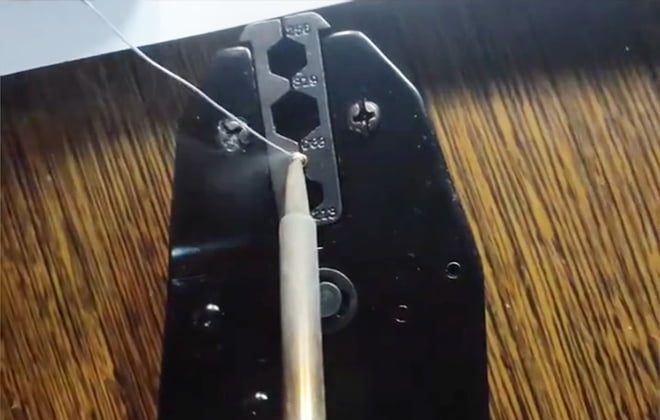
Soldering is another installation method that needs a soldering iron and solder. Solder the inner conductor to the pin firmly. Soldering connection is strong but requires certain skills, suitable for small-batch production and maintenance.
3.Assembly steps and notes of TNC Connector
When assembling TNC, prepare the cable correctly first, then install shell and internal parts in order. Do not damage the core or shielding layer. Any mistake may cause poor signal or short circuit. Follow the instructions to ensure good results.
4.Comparison of crimping, soldering and assembly type
Crimping is efficient and suitable for mass production. Soldering is firm but slow. Assembly type needs no tools and is convenient. Each method has its suitable scenes. Factories usually use crimping for cables, balancing efficiency and stability.
5.Common faults in cable assembly
Common faults include poor contact, shielding failure, core breakage, etc., mostly caused by improper crimping or soldering. Damaged cable also causes signal attenuation. Step-by-step inspection during assembly reduces product faults.
5. Compatible Cable Types of TNC Connector
1.How to Install a coaxial Connector?
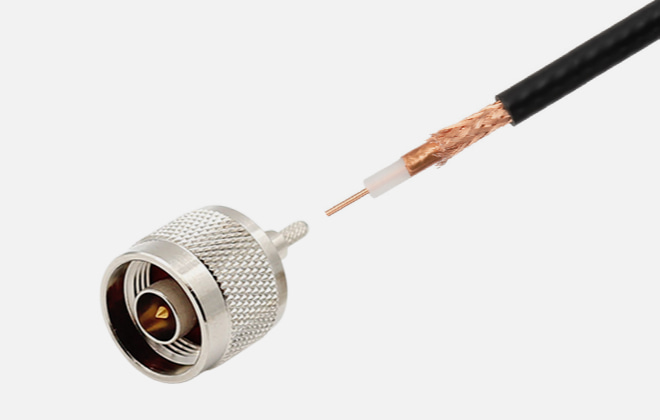
The key to install coaxial connector is standard stripping and reliable fixing. First cut the cable flat with professional tools, strip jacket, shielding and dielectric layer by layer as required. Do not scratch the inner conductor. Then put tail accessories and crimp sleeves on the cable in order, insert inner conductor into the pin, make shielding braid evenly wrap the tail. Crimp or solder to fix, make shielding conduct well with the shell to reduce signal leakage. After installation, check short circuit, loose connection or long core. Test electrically if necessary. Correct installation reduces VSWR greatly and ensures stable signal transmission.
2.Compatible cable types of TNC Connector
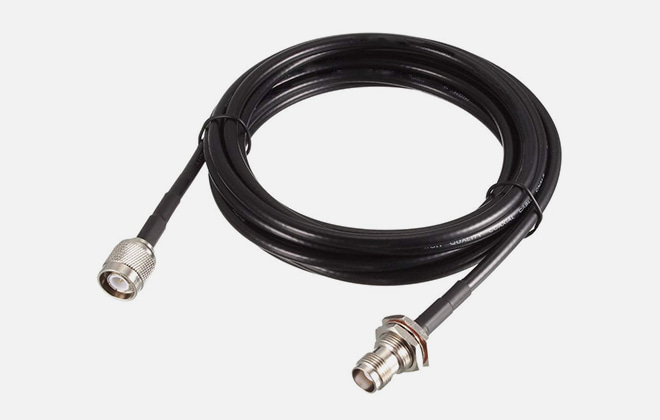
TNC connector can match many coaxial cables, such as RG58, RG142, RG223, LMR195, LMR400, etc. Different cables have different thickness and performance. Users can choose according to loss, flexibility and application environment.
3.Matching thin and thick cables
Thin cables match small TNC connectors, thick cables need large size types. Thick cables have higher power capacity and lower loss, thin cables are softer and easier to route. Choosing matching types ensures firm connection and stable electrical performance.
4.Low-loss cables with TNC Connector
Low-loss cables with TNC improve signal quality and reduce long-distance attenuation, suitable for outdoor antennas and base station systems. This combination performs well in equipment with high signal stability requirements.
5.Flexible and semi-rigid cables
Flexible cables are easy to install and bend. Semi-rigid cables have better performance but are not easy to bend. TNC connector fits both. Flexible cables are used in normal scenes, semi-rigid cables are for high-performance test and communication equipment.
6. Environmental Reliability and Protection of TNC Connector
1.Waterproof rating of TNC Connector
Some TNC connectors can reach IP67 waterproof rating, effectively waterproof and dustproof, suitable for outdoor and humid environments. Waterproof TNC is widely used in antennas and outdoor communication equipment.
2.Operating temperature range of TNC Connector
TNC connector has a wide operating temperature range and can bear high and low temperatures. Extreme temperature hardly affects its performance, so it is suitable for outdoor, industrial and vehicle scenes.
3.Anti-vibration and anti-shock of TNC Connector
TNC connector has good anti-vibration and anti-shock performance. Threaded structure makes connection not easy to loose, suitable for cars, trains and other mobile equipment. It still transmits signals normally in vibration environment.
4.Salt spray and outdoor life of TNC Connector
High-quality TNC can pass salt spray test and resist rust, suitable for long-term outdoor use. Materials and plating directly affect service life. Anti-corrosion TNC is ideal for coastal and harsh outdoor environments.
5.Moisture-proof and anti-aging of TNC Connector
TNC connector is moisture-proof and anti-UV aging. Internal insulation materials perform stably, not easy to become brittle under sunlight and humidity, ensuring long-term reliable operation of outdoor communication systems.
7. Materials, Plating and Quality of TNC Connector

1.Conductor material of TNC Connector
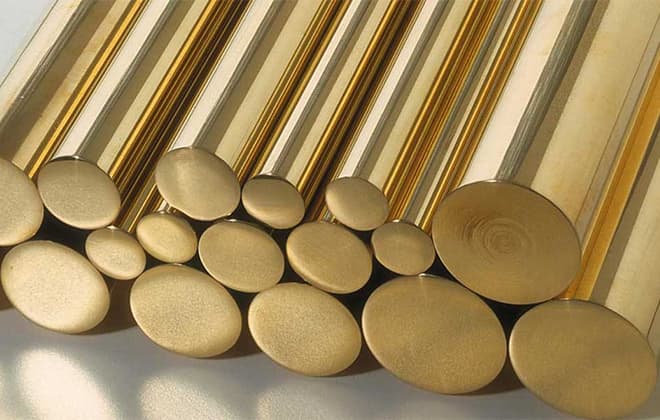
Inner and outer conductors of TNC usually use copper or copper alloy with good conductivity. Good conductors ensure low loss and stable transmission. Poor materials lead to bad performance and short life.
2.Plating selection of TNC Connector
Common platings include gold-plated, silver-plated and alloy plating. Gold-plated has best conductivity and anti-corrosion effect. Silver-plated also performs well with lower cost. Plating directly affects signal quality and service life, especially in harsh environments.
3.Insulation material of TNC Connector
Most TNC connectors use PTFE as insulation dielectric, with excellent electrical performance and heat resistance, ensuring high insulation and stable signal. Low-cost products may use other materials but with poorer performance.
4.RoHS and REACH compliance of TNC Connector
Most TNC connectors meet RoHS and REACH environmental standards and contain no harmful substances, which is especially important for export to many countries. Customers can ask for certificates to ensure environmental compliance.
8. Selection and Comparison of TNC Connector
1.What is difference between BNC and TNC connector?
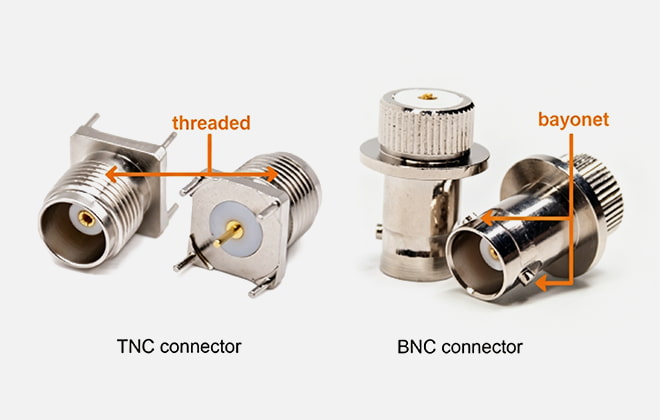
The main difference between TNC and BNC is connection structure and application. TNC uses threaded connection, more firm, not easy to loose in vibration, vehicle and outdoor environment.BNC uses bayonet lock, which is quick to plug, suitable for indoor equipment, test instruments and low-frequency scenes. It also has higher frequency and more stable electrical performance. TNC has better sealing and anti-interference, more suitable for communication and industrial equipment. BNC is cheaper and faster, used for normal video and low-frequency signals. TNC is more reliable, used for RF and wireless communication.
2.Comparison between TNC and SMA
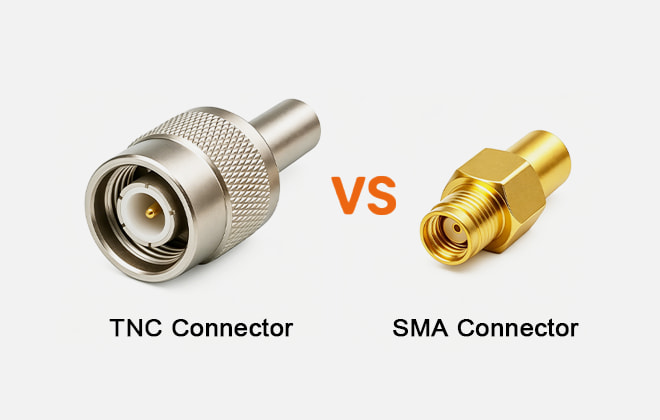
TNC is larger than SMA and has higher power capacity. SMA has higher working frequency. TNC is more durable against vibration, SMA saves more space. Users choose according to frequency, power, size and installation environment.
3.Comparison between TNC and N-Type
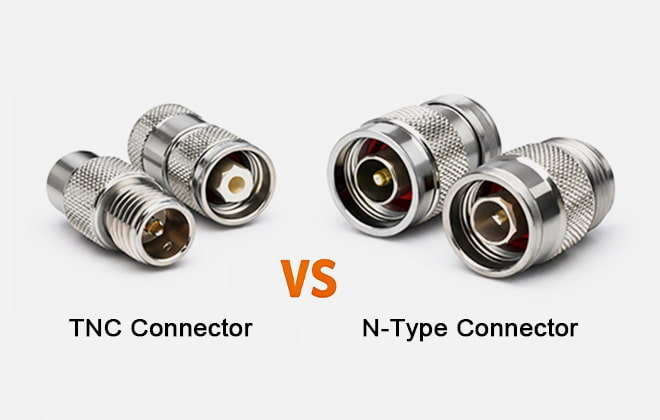
N-Type is larger and has stronger power capacity than TNC. TNC is smaller and easier to install, suitable for limited space. N-Type is mostly used in high-power systems, TNC is for small and medium communication equipment.
4.How to choose TNC, SMA and N-Type

Choose SMA for high frequency and small size. Choose TNC for medium power and anti-vibration need. Choose N-Type for high-power scenes. You can make a right choice by considering frequency, power, space and environment.
5.Difference between standard TNC and RP-TNC
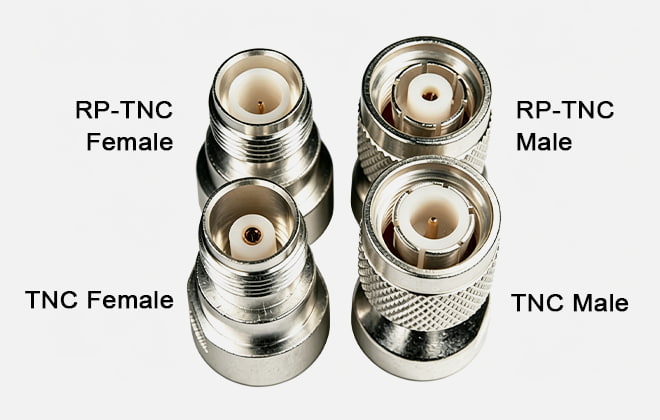
Standard TNC and reverse-polarity TNC have different internal contact structures. RP-TNC is used in some wireless equipment. Wrong type will cause connection failure. Be sure to confirm polarity before purchase to avoid mistakes.
9. Procurement, Supply and Service of TNC Connector
1.MOQ and price of TNC Connector
MOQ of TNC connector varies by supplier. Price usually has tiers, the larger the quantity, the lower the unit price. Large orders can get more favorable prices. Suppliers generally provide detailed quotation sheets.
2.Lead time of TNC Connector
Lead time of in-stock TNC is very short, customized products need longer production time. Lead time affects project progress, so customers usually confirm in advance. Reliable suppliers ensure on-time delivery.
3.Sample support of TNC Connector
Most suppliers can provide TNC samples for testing, some free and some charged. Testing samples helps verify quality and compatibility before mass purchase, which is an important part of procurement.
4.Customization service of TNC Connector
Cable length, printing, packaging can be customized. Special structure connectors can also be developed. Customization meets different project needs, and special requirements usually bring extra cost.
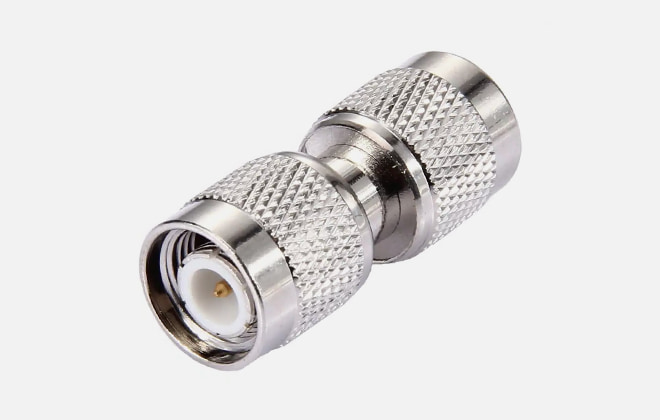
5.Adapter types of TNC Connector
Common adapters include TNC-SMA, TNC-N, TNC-BNC, etc., which realize connection between different interfaces. Complete adapters help system construction and equipment docking, often purchased together with connectors.
6.After-sales service and test report of TNC Connector
Suppliers provide after-sales service for quality problems. Test reports show electrical performance intuitively. Reliable manufacturers provide complete factory test data. Perfect after-sales service makes purchasing more reassuring.
Who is the bes supplier of TNC connector?

QL-Custom is a professional and reliable supplier in the field of TNC connectors and RF cable assemblies. The company has many years of experience in manufacturing RF connectors, strictly follow IEC and MIL international standards, and has a complete ISO quality management system. From raw material control, precision machining to finished product testing, it ensures that TNC connectors have low VSWR, low loss and high reliability. It also supports OEM/ODM customization and can provide waterproof types, special plating and cable assemblies according to customer needs. With high quality and cost-effective products, it sells well overseas with fast response and stable delivery, making it the preferred partner for industrial communication, antennas and test equipment.
If you need TNC connector, please contact sales07@QL-Custom.com.